
Next.js App Router & Server Components Mastery
Architect Production Web Applications with React Server Components, Streaming, and Dynamic Routes

About This Educational Journey
This comprehensive course covers production engineering with Next.js App Router. You will explore Server Components by default, streaming with Suspense, dynamic route segments, metadata SEO APIs, route handlers, and performance optimization.
Why This Skill Matters in Today's Market
The App Router represents modern React architecture. Rendering components on the server reduces bundle sizes, delivers instant initial page loads, and enables optimal search engine indexing.
Key Technical Challenges You Will Solve
Who Should Take This Course
- •React developers upgrading to modern Next.js App Router
- •Full-stack developers building high-performance web applications
- •Software architects designing scalable modern web systems
Course Prerequisites
- •Strong familiarity with React, modern JavaScript (ES6+), and TypeScript fundamentals
What You Will Master in This Curriculum
Understand the distinction between React Server Components and Client Components
Architect nested layouts, dynamic routes ([slug]), error boundaries, and not-found pages
Leverage the native Next.js Metadata API for type-safe Open Graph, Twitter, and canonical SEO tags
Build secure backend API Route Handlers (app/api/...) with request validation
Comprehensive Course Curriculum
Click any module to expand its lessons, and click any lesson to open its interactive learning view below.
Server Components by Default & 'use client'
In Next.js App Router, every component is a React Server Component (RSC) by default unless explicitly tagged with 'use client'.
Lesson Learning Objectives
- Explain why Server Components do not send JavaScript to the client browser
- Identify when to mark a component with 'use client'
- Push Client Component boundaries as deep down the component tree as possible
Detailed Concept Breakdown
Server Components run exclusively on the server during build time or request time. They have direct access to backend resources and databases. Client Components are only needed when using React state (useState), lifecycle hooks (useEffect), or browser event listeners (onClick, onChange).
// Server Component (Default in App Router)
import { db } from "@/lib/db";
import { InteractiveFilter } from "./InteractiveFilter"; // Client Component

export default async function CoursesPage() {
  const courses = await db.course.findMany(); // Direct server data access
  return (
    <div>
      <h1>Our Courses</h1>
      <InteractiveFilter courses={courses} />
    </div>
  );
}Common Beginner Mistakes to Avoid
- Placing 'use client' at the top of page.tsx instead of creating a focused leaf component
Practical Lab Exercise
Refactor a monolithic React page into a Server Component parent that fetches data and passes props to a small Client Component button.
Key Lesson Takeaways
Capstone Project: Production-Ready Multi-Route Agency Platform
Build, optimize, and deploy a multi-route Next.js application with nested layouts, dynamic routes with generateStaticParams, API Route Handlers with Zod validation, and automated XML sitemaps.
Expected Deliverables
- App Router architecture with verified zero console errors and 100% TypeScript type safety
- Dynamic generateMetadata implementation with canonical URLs and Open Graph tags
- Production deployment verified on Vercel with clean build logs
Related Educational Programs

Building Scalable User Interfaces with React
Transition from imperative DOM manipulation to declarative, component-driven UI engineering. Learn component lifecycle, useState, useEffect, custom reusable hooks, and scalable folder architectures.
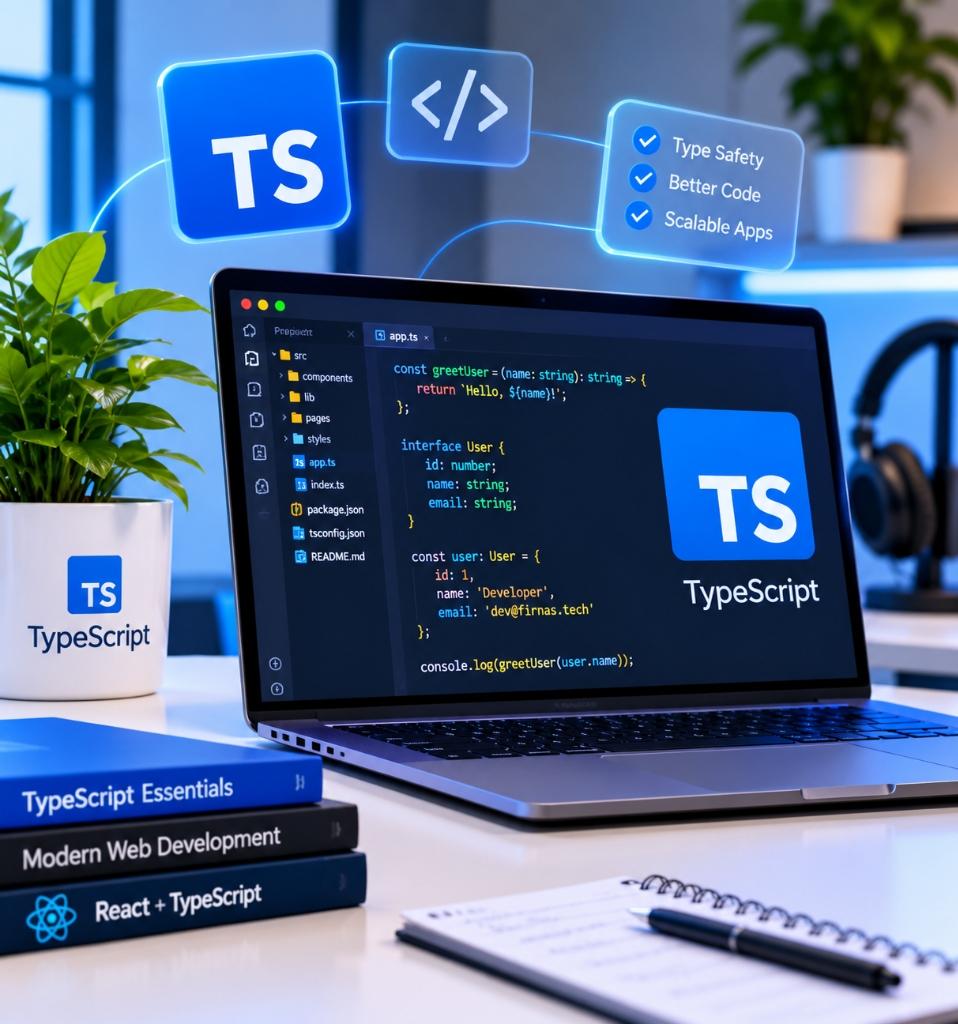
Type-Safe Web Applications with TypeScript
Transform JavaScript into a strictly-typed, scalable language. Learn TypeScript interfaces, type aliases, union & intersection types, generics, utility types, and runtime validation with Zod.

Actionable Technical SEO for Modern Websites
A rigorous, step-by-step masterclass in technical search engine optimization. Learn how search spiders crawl websites, optimize Core Web Vitals, construct XML sitemaps, inject rich JSON-LD schema, and debug indexing in Google Search Console.
Need Professional Implementation for Your Business?
Looking for custom development or digital marketing based on these technologies?
Ready to Apply These Skills to Real Projects?
Explore our full curriculum or consult directly with the Zavera.Tech engineering team in Abbottabad.